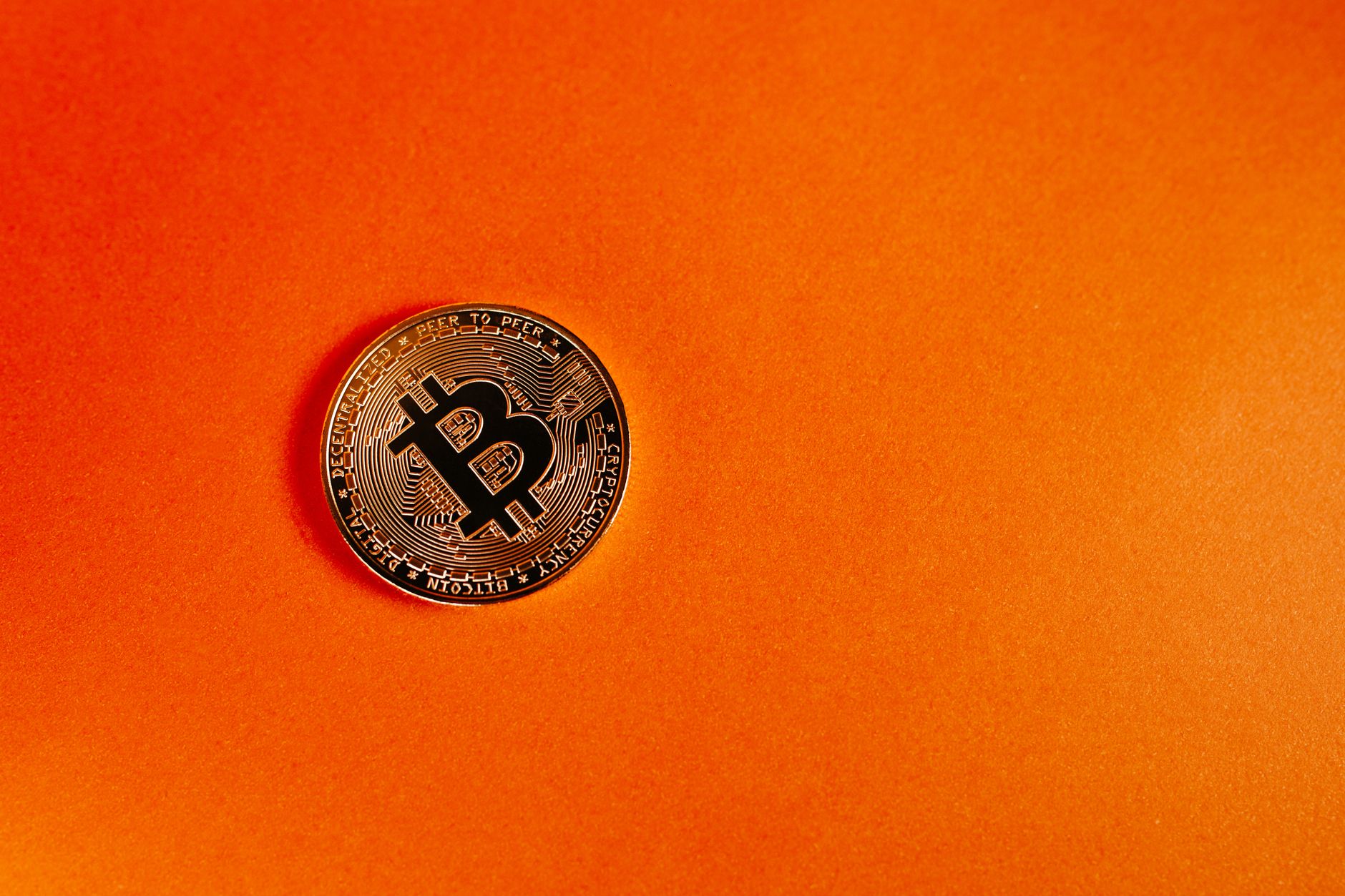
Decentralized Betting Explained: What's Under the Hood & How to Place Your First Bet (No Crypto Whales Required!)
Forget the opaque, centralized bookmakers and welcome to the world of decentralized betting. At its core, this revolutionary approach leverages blockchain technology to remove intermediaries, placing trust directly in smart contracts and cryptographic protocols. Instead of a single entity holding your funds and dictating odds, decentralized platforms operate on a peer-to-peer model. This means your bets are recorded on an immutable ledger, ensuring transparency and preventing manipulation. Think of it as a global, self-executing betting exchange where the rules are written in code, not dictated by a company. This fundamental shift offers unparalleled security, censorship resistance, and often, more favorable odds due to reduced overheads and less opportunity for ‘juice’ to be taken.
Ready to dive in and place your first decentralized bet without needing to be a crypto-whale? The process is surprisingly straightforward. You'll typically need a cryptocurrency wallet (like MetaMask) to interact with these platforms and some small amounts of a supported cryptocurrency (often ETH or a stablecoin like USDC) to cover gas fees and your bet itself. Here's a simplified breakdown:
- Fund your wallet: Acquire a small amount of cryptocurrency from an exchange.
- Connect to a dApp: Navigate to your chosen decentralized betting platform and connect your wallet.
- Browse markets: Explore available sports, events, and odds.
- Place your bet: Select your wager, confirm the transaction in your wallet, and watch the magic unfold!
The beauty lies in the fact that once the event concludes, the smart contract automatically settles the winning bets, directly depositing funds back into your wallet without human intervention.
Decentralized betting leverages blockchain technology to create a transparent and secure wagering environment, removing the need for traditional intermediaries. This innovative approach ensures that odds are fair and payouts are guaranteed, as all transactions are recorded on an immutable ledger. With decentralized betting, participants can enjoy enhanced privacy and censorship resistance, fundamentally changing the landscape of online gambling.
Crypto Casinos: Understanding the House Edge, Security Risks, and Why 'Provably Fair' Isn't Always What It Seems
When diving into the world of crypto casinos, it's crucial to grasp the concept of the house edge. This inherent advantage, present in all casino games, dictates the percentage of each bet the casino expects to keep over the long run. While traditional casinos operate with established house edges, crypto casinos, despite their technological advancements, are no different. Understanding this statistical reality is paramount for players; a higher house edge translates to a lower probability of long-term success. It's essential to research and understand the house edge of specific games before playing, as even a seemingly small difference can significantly impact your potential returns and overall gaming experience. Always prioritize platforms that clearly disclose these figures.
Beyond the house edge, security risks in crypto casinos present another significant concern. The decentralized nature of cryptocurrencies, while offering anonymity, also introduces vulnerabilities if platforms aren't meticulously secured. Users face potential threats like:
- Wallet compromises: Phishing attacks or weak platform security can expose private keys.
- Smart contract vulnerabilities: Flaws in the underlying code can be exploited by malicious actors.
- Regulatory ambiguity: The lack of consistent regulation across jurisdictions can leave players with little recourse in case of disputes or fraud.