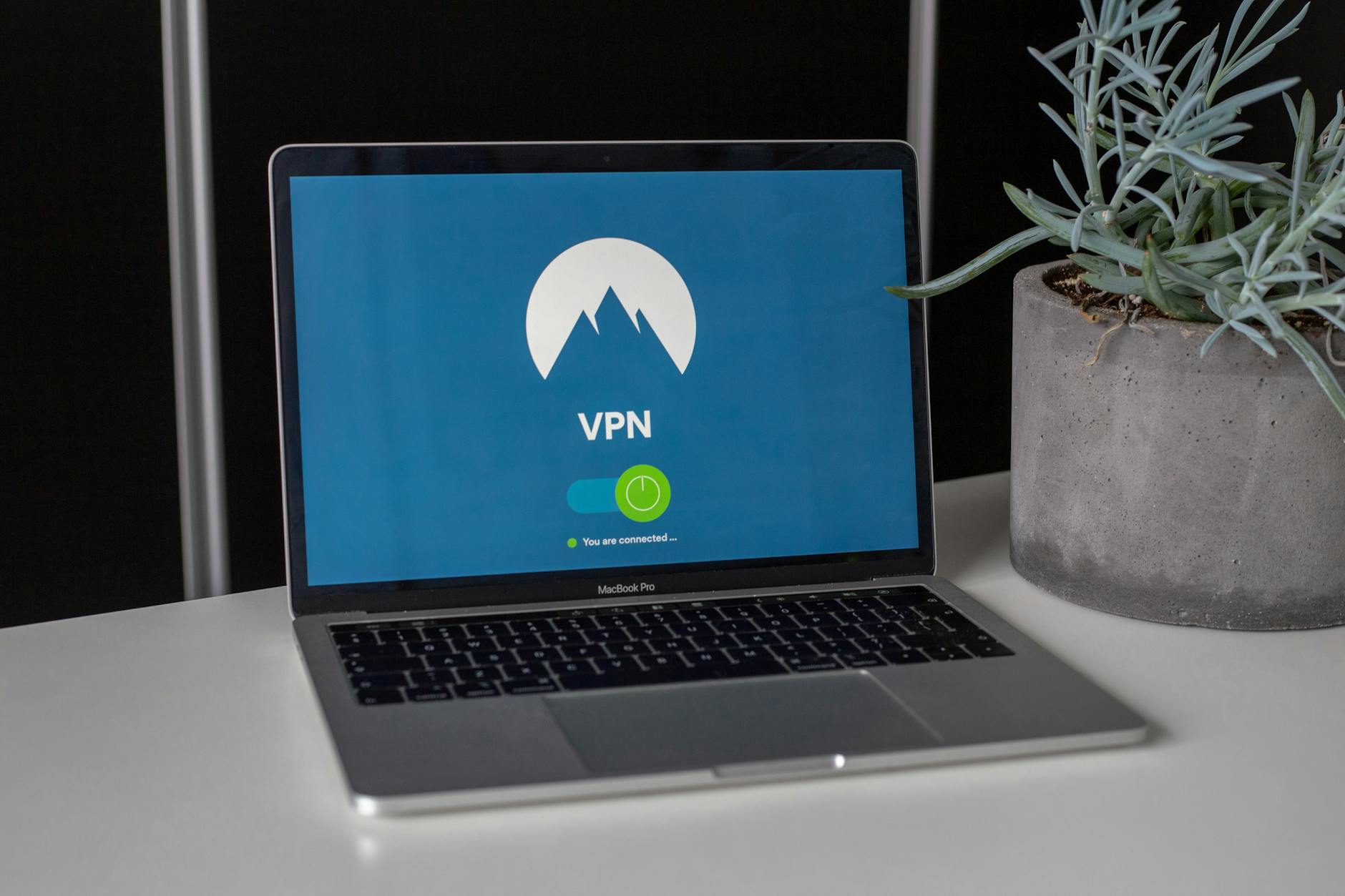
Cracking the Geo-Code: What are Geo-Blocks & Why Free VPNs Promise a Solution (But Do They Deliver?)
Geo-blocking, or geo-restriction, is a pervasive digital barrier that prevents users from accessing content or services based on their geographical location. Imagine trying to stream your favorite show, only to be met with a frustrating message: "This content is not available in your region." This is geo-blocking in action, often implemented due to licensing agreements, copyright restrictions, or even government censorship. Major streaming platforms, online gaming services, and even news outlets utilize these digital fences to control content distribution. Overcoming these restrictions has led many to seek out solutions, with free VPNs often touted as the magic bullet. But before diving headfirst into the world of 'free' anonymity, it's crucial to understand the underlying mechanisms and potential pitfalls.
The allure of a free VPN promising to bypass these geo-blocks is undeniably strong. The idea is simple: by routing your internet traffic through a server in a different country, the VPN effectively masks your true IP address and makes it appear as though you are browsing from that new location. This 'geo-spoofing' technique can, in theory, unlock a world of otherwise inaccessible content. However, the question of whether free VPNs truly deliver on this promise is far more complex than their enticing advertisements suggest. While some might offer a temporary workaround, many are plagued by a litany of issues, including:
- Slow speeds: Inadequate server infrastructure leads to buffering and frustrating delays.
- Limited server locations: Restricting your options for effective geo-spoofing.
- Security risks: Potential for data logging, malware, or even selling user data.
- Frequent disconnections: Interrupting your streaming or browsing experience.
"If you're not paying for the product, you are the product." This adage holds particularly true for many free VPN services, whose business models often rely on questionable practices.
A free VPN extension offers a convenient way to enhance your online privacy and security directly from your browser. These extensions encrypt your internet traffic and mask your IP address, helping you bypass geo-restrictions and browse more securely on public Wi-Fi. While they can be very useful for casual browsing, always be mindful of the limitations and potential privacy trade-offs that can come with free services.
Your Free VPN Playbook: Setup, Streaming Tips, and Answering Your Burning Questions (Is it Safe? Is it Legal?)
Navigating the world of free VPNs can feel like traversing a minefield, but with our "Free VPN Playbook," you'll be equipped with the knowledge to make informed decisions and get the most out of your chosen service. We'll walk you through the entire process, from the initial setup and configuration on various devices to optimizing your connection for a smooth, buffer-free streaming experience. Forget endless searching and frustrating trial-and-error; our playbook provides clear, concise instructions designed for both tech novices and seasoned users. We'll cover everything from choosing a reputable free provider to understanding basic VPN settings, ensuring you're up and running in no time and ready to explore a world of unrestricted content.
Beyond the practicalities of setup and streaming, our playbook tackles the most pressing concerns surrounding free VPNs. We address the fundamental questions that often deter users:
"Is a free VPN truly safe and secure?"and
"Is using a free VPN even legal?"We delve into the nuances of data privacy, potential security vulnerabilities, and the legal landscape surrounding VPN usage in different regions. You'll gain a comprehensive understanding of the associated risks and benefits, empowering you to make responsible choices. Our goal is to demystify the complexities, providing you with the transparency and clarity needed to utilize free VPNs confidently and effectively, all while protecting your online footprint.